Ottoman Tughra Embroidery Review for Craft Fairs
As an experienced embroidery designer who spends weekends setting up booths at local craft fairs and managing a busy handmade shop, I know that the difference between a design that sits on the shelf and one that sells out in minutes often comes down to visual impact and production practicality. When I first encountered Ottoman Tughra Embroidery, I immediately began evaluating its potential for my next market display. This review focuses on how this specific design fits into the world of commercial machine embroidery, from digital files to finished goods ready for customers.
First Impressions: Bold History Meets Modern Market
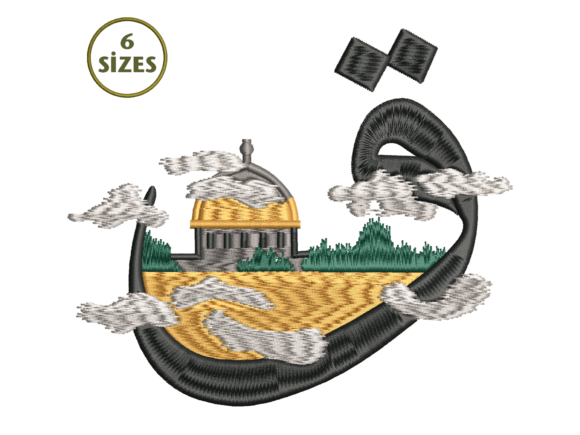
The moment you view Ottoman Tughra Embroidery, it commands attention. Unlike many generic patterns found in the Religion category or standard floral motifs, a Tughra carries a distinct sense of heritage and elegance. It feels premium, decorative, and sophisticated. For a booth filled with handmade products, this design offers a unique selling point that stands out against more common farmhouse or rustic themes. It is not merely cute; it is artistic and historically significant, which adds a layer of storytelling value to your items. Whether you are an Etsy seller looking to differentiate your listings or a boutique maker aiming for high-end appeal, this design brings a level of gravitas that attracts serious buyers.
Product Potential: Where Ottoman Tughra Shines
In my experience preparing a table display, certain designs work better as focal points while others serve as subtle accents. Ottoman Tughra Embroidery excels as a large focal design. Imagine placing embroidered tote bags on a tiered stand; a single, well-placed Tughra on the front panel creates an immediate conversation starter. The intricate details of the calligraphy translate beautifully onto sturdy canvas or cotton canvas tote bag designs, making them perfect for the everyday shopper who appreciates artisan quality.
This design also performs exceptionally well on apron embroidery projects. A kitchen towel or chef's apron featuring this motif elevates a simple utility item into a giftable luxury good. For smaller inventory, consider creating embroidered patches or fabric pouches. These small items allow customers to purchase a lower-priced entry point into your brand while still receiving a high-quality product. Caps and pillow covers are another excellent avenue; the curved surface of a cap can sometimes distort complex designs, but if the file is optimized, the Tughra can look striking as a centered chest logo. Furthermore, using this as a printable mockup for your online listings will help visualize the final result before you even cut the fabric.
Production Practicalities and Selling Strategy
When planning batch production for a weekend craft fair, efficiency is key. Ottoman Tughra Embroidery requires careful consideration regarding stitch density. If the design is too dense, it may become stiff and difficult to hoop on curved surfaces like caps or small pouches. However, if the stitch count is balanced, it photographs incredibly well for online listings. Customers browsing Etsy or other digital platforms need to see clear details in their thumbnail images. The contrast provided by this design usually ensures that the text and shapes remain legible even on smaller screens.
For the savvy entrepreneur, this design allows for versatile marketing angles. You can market it as a piece of wearable history or a statement of faith and culture. When displayed alongside other handmade gifts, the unique aesthetic of the Tughra draws the eye away from the competition. It creates a cohesive brand identity that suggests depth and research, rather than just mass-produced filler.
Critical Design Notes for the Maker
Before rushing into production, there are several technical factors that must be addressed to ensure the finished product meets professional standards. One of the most common pitfalls in commercial embroidery is ignoring thread colors and fabric texture. Dark fabrics can swallow the details of a complex design, so always test Ottoman Tughra Embroidery on light-colored backgrounds first to ensure clarity. Conversely, if you choose dark fabric, verify that the underlay and top thread choices provide sufficient contrast.
Pay close attention to tiny details within the design. While the overall shape is bold, some elements of the Tughra may be fine lines. If you attempt to digitize this for a very small size, such as a hat brim patch, these details might disappear or merge together. Always inspect stitch density and spacing. Using the right stabilizer is non-negotiable; a heavy-duty cut-away stabilizer is often required for items like aprons and tote bags to prevent puckering, especially given the likely density of the design.
Essential Steps Before You Sell
To guarantee success, follow these practical steps derived from years of running a successful embroidery business. First, test the design on scrap fabric. Do not assume the digital preview matches the physical reality. Check the thread contrast under different lighting conditions, as natural sunlight at a craft fair will reveal flaws that studio lights hide. Confirm the hoop size requirements early; if the design exceeds your standard hoop dimensions, you will need to plan for multi-hoop sequences, which increases production time.
Create at least one real mockup of your best-selling item type, such as a tea towel embroidery project, to use as a reference for your booth display. Compare various fabric colors to see which ones make the design pop. Finally, confirm commercial licensing before selling finished products. Since this is a digital embroidery file, you must ensure you have the rights to sell the physical items created from it. The product description notes that files are delivered in ZIP or RAR formats for instant download, meaning you are responsible for verifying the license terms associated with that specific download.
Final Thoughts on Market Viability
Ottoman Tughra Embroidery represents a strong opportunity for creative entrepreneurs willing to invest time in proper setup. It bridges the gap between traditional art and modern commerce. By understanding the nuances of stitch density, fabric choice, and display strategy, you can turn this digital asset into a profitable line of craft fair products. Whether you are a small shop owner or a seasoned Etsy seller, adding this design to your repertoire can significantly boost your booth's visual appeal and customer engagement. Remember, the goal is to create a finished product that feels handcrafted, valuable, and timeless.