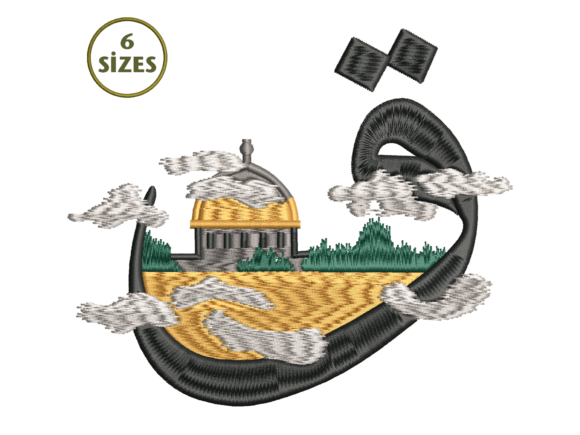
Kaf Letter Al Aqsa Embroidery Review
As a professional embroidery designer who spends countless hours planning collections for handmade sellers and Etsy shops, I am always looking for designs that carry both technical precision and deep emotional resonance. Recently, I had the opportunity to test Kaf Letter Al Aqsa Embroidery with the intention of using it in a personalized gift shop. My goal was to see if this digital file could stand up to the demands of real customer orders while maintaining the high perceived value that buyers expect from religious and cultural keepsakes.
First Impressions: Mood and Charm
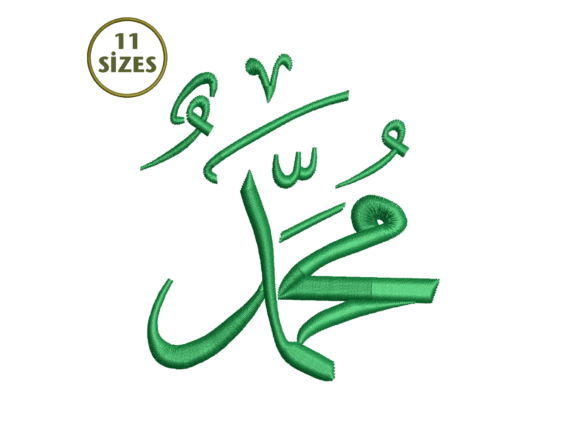
When I first loaded the design into my digitizing software, the immediate feeling was one of reverence and elegance. The Kaf Letter Al Aqsa Embroidery design is not merely a typographic element; it feels like a statement piece. The mood is sophisticated yet deeply personal, making it perfect for items intended to be cherished rather than just used. Whether viewed as a modern interpretation of classic calligraphy or a timeless symbol of faith, the design strikes a balance between being sweet enough for a nursery item and elegant enough for a wedding keepsake.
The detail level is impressive. It captures the fluidity of the script without losing structural integrity. For an Etsy seller or a small business owner, this visual appeal translates directly into product photography potential. A mockup featuring this design on a soft cream linen pillow cover immediately suggests quality and thoughtfulness. It creates an instant emotional connection with the buyer, signaling that the giver has put significant effort into selecting a meaningful present.
Real-World Application: From File to Finished Product
I decided to simulate a few specific scenarios to understand how this embroidery file performs when converted into tangible gifts. The versatility of Kaf Letter Al Aqsa Embroidery is its strongest asset. Imagine a new parent receiving a baby blanket embroidered with this motif. The combination of the soft fabric texture and the precise stitching creates a heirloom-quality item that speaks to family values.
For kitchen enthusiasts, applying this design to an embroidered towel adds a touch of spiritual warmth to daily chores. Similarly, on a custom tote bag, the design serves as a stylish accessory that doubles as a conversation starter. I also envision this design thriving on aprons for home bakers or as a centerpiece on a wedding guest book cover. The design works exceptionally well for baby embroidery projects where parents want to infuse their child's life with positive symbolism from day one.
In the context of wedding gifts, the design offers a unique alternative to generic monograms. It provides a sense of tradition and permanence that fits perfectly with the solemnity of marriage vows. For craft fair vendors, having this design allows for a diverse range of inventory, from small accessories to larger home decor pieces, all unified by the same aesthetic theme.
Where Caution is Required
While the design is beautiful, my experience dictates that we must be mindful of where and how we apply it. There are specific scenarios where Kaf Letter Al Aqsa Embroidery might require extra care or might not be the ideal choice. For instance, if a customer requests this design on very small lettering applied to delicate fabrics, the intricate details might get lost or distort the fabric weave.
Texture plays a massive role in the final look. On thick towels or heavily textured fabrics, the stitches may not lay flat, potentially obscuring the fine lines of the design. Furthermore, stretchy baby clothes can be tricky; unless proper stabilizers are used, the tension of the fabric during wear could cause the design to pucker over time. Curved surfaces, such as rounded hat panels or curved seams on bags, also pose a challenge for maintaining the straightness of the letters.
Dark fabrics present another consideration. While thread color contrast is crucial, the density of the fill stitches in this design might show through on lighter colors or create a heavy hand on darker materials if not balanced correctly. Additionally, products that need frequent washing, like everyday dishcloths or infant bibs, require a design that can withstand abrasion without fraying. Always consider the end-use environment before committing to a production run.
Impact on Giftability and Perceived Value
One of the most critical aspects of selling handmade goods is the perceived value. A well-executed custom embroidery project elevates a simple product into a luxury item. When a customer sees Kaf Letter Al Aqsa Embroidery stitched perfectly onto a high-quality canvas, they perceive the item as expensive and thoughtful. This perception builds trust and encourages repeat business.
The design enhances the "handmade" feel, which is a top priority for modern consumers. It differentiates your small shop product from mass-produced alternatives found in big-box stores. The emotional connection fostered by the religious and cultural significance of the design often leads to higher engagement rates on social media and better conversion rates in online listings. Buyers are not just purchasing a towel or a pillow; they are buying a sentiment, a memory, and a piece of art.
Practical Embroidery Notes for Success
To ensure that your finished product matches the vision, there are several technical steps you must take. First and foremost, always test on scrap fabric. Before running a full batch of orders, stitch out the design on the actual material you plan to use. This helps you gauge the stability of the stitches and the appearance of the final result.
Check your thread color contrast carefully. The right shade can make the design pop, while the wrong one can make it look muddy. Confirm your hoop size matches the dimensions of the design to avoid unnecessary trimming or distortion. Review the stitch density; if the design is too dense for the fabric type, it may cause puckering, but if it is too sparse, it may lack definition.
Using the proper stabilizer is non-negotiable. For lightweight fabrics, a cut-away stabilizer provides necessary support, while tear-away might suffice for heavier materials. Compare light and dark fabric mockups to ensure the design looks good on both. Finally, check the small details after stitching to ensure no threads have broken or skipped. If you plan to sell these items commercially, confirm the commercial licensing terms included with the digital embroidery file to protect your business.
Conclusion
Kaf Letter Al Aqsa Embroidery stands out as a versatile and emotionally powerful design for anyone in the religious or embroidery niche. Whether you are creating personalized gifts for weddings, nurseries, or family celebrations, this design offers a blend of beauty and meaning that resonates deeply with customers. By following best practices for testing and execution, you can turn this digital file into a cornerstone of your handmade collection, delighting customers and growing your brand.