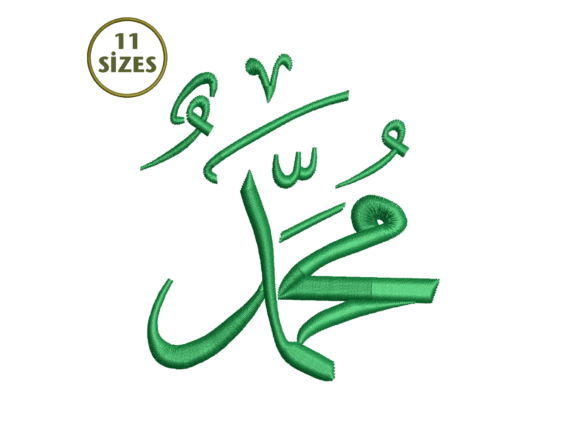
Muhammad Calligraphy Embroidery Review
As an experienced embroidery designer who has spent countless weekends setting up booths at local craft fairs and managing a busy online handmade shop, I know that the difference between a product that sits on a table and one that flies off it often comes down to the design itself. Today, I am reviewing Muhammad Calligraphy Embroidery, a digital file intended for machine embroidery. My goal is to provide a real-world assessment of how this design performs when turned into tangible craft fair products for customers seeking meaningful, handmade items.
First Impressions: Elegance and Spiritual Depth
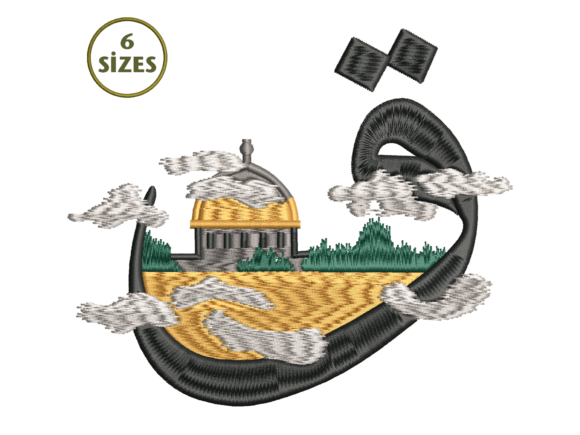
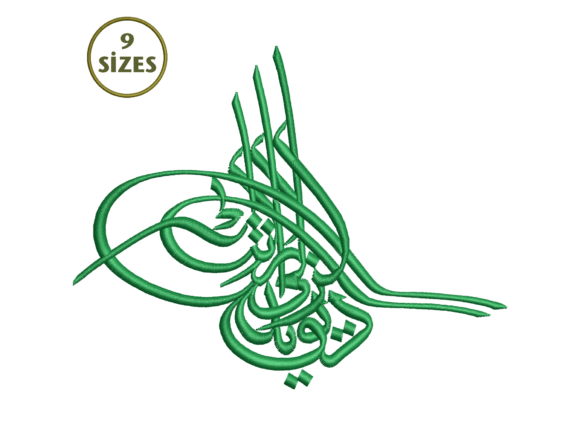
The moment you view the title and description, Muhammad Calligraphy Embroidery projects an aura of reverence and sophistication. Unlike trendy or whimsical designs, this piece leans heavily into the Religion category with a focus on traditional artistry. The calligraphic style suggests a design that is likely fluid, elegant, and visually striking rather than blocky or overly cute. In a market saturated with generic floral patterns, a well-executed calligraphy design stands out as a premium handmade product.
For a boutique maker or an Etsy seller, the visual appeal here is immediate. It feels suitable for customers looking for gifts that carry spiritual weight or for those who appreciate Islamic art in a modern textile format. The aesthetic is likely to be described as decorative, premium, and deeply respectful, making it a strong candidate for high-value items like pillow covers or framed art pieces.
Product Potential: Where This Design Shines
When I imagine placing Muhammad Calligraphy Embroidery on a display table, several specific items immediately come to mind where this design would excel. The versatility of a machine embroidery design lies in its ability to adapt to different textures, but some surfaces simply elevate the art more than others.
Tote Bags and Market Bags: A large tote bag offers ample canvas space. If the calligraphy is detailed, a light-colored cotton or canvas tote will allow the thread colors to pop, creating a bold statement piece. Customers browsing a craft fair are often drawn to functional items that also serve as conversation starters. An embroidered tote featuring this design becomes a daily reminder of faith and art.
Aprons and Kitchen Towels: For the home cook or baker, apron embroidery and tea towel embroidery are perennial favorites. This design works beautifully on a white or cream linen apron, adding a touch of elegance to the kitchen. The contrast between the soft fabric texture and the structured stitches of the calligraphy can create a stunning tactile experience. These items make excellent small shop products for holiday seasons or Ramadan gifting.
Pillow Covers and Home Decor: Perhaps the most lucrative application for this design is on throw pillows. The intricate details of calligraphy translate well to larger formats where stitch density can be appreciated without being overwhelming. A set of matching pillows with this motif can instantly transform a living room, justifying a higher price point for the finished product.
Caps and Patches: While caps offer a curved surface that challenges many designers, a well-balanced calligraphy design can look incredibly sharp on a flat-brimmed hat. Alternatively, turning this into an embroidered patch allows for versatility. You can sell the patch alone for DIY enthusiasts or apply it to beanies, denim jackets, or small pouches.
Selling Strategy and Visual Appeal
In the world of commercial embroidery, photography is everything. When creating printable mockups or taking photos for your listings, Muhammad Calligraphy Embroidery requires lighting that highlights the sheen of the threads. Because calligraphy relies on line variation, the camera must capture the depth of the stitching. If the design features varying thread thicknesses, ensure your lighting captures these nuances; otherwise, the design may look flat in a listing.
This design naturally commands attention. At a craft fair, a booth displaying items with this specific motif will attract customers interested in faith-based decor or cultural art. It fosters a sense of connection with buyers who value design assets that tell a story. The emotional resonance of the subject matter often leads to higher engagement and quicker sales compared to purely decorative patterns.
Production Practicality: What to Watch Out For
Before committing to a full production run, a professional designer knows the importance of testing. While the description indicates that Dijital nakış dosyaları ZIP veya RAR formatında teslim edilir (digital embroidery files are delivered in ZIP or RAR format) and provides instant download, there are critical technical steps to consider before stitching.
Stitch Density and Detail: Calligraphy often involves fine lines and tight curves. If the stitch density is too high, the fabric might pucker, especially on lighter materials like tea towels. Conversely, if the lines are too thin, they may not show up clearly on thicker fabrics like denim or heavy canvas. You must review the spacing and confirm the hoop size matches the intended product dimensions.
Fabric Texture and Color: The success of thread colors depends entirely on the background. On dark fabric, standard white or gold threads might get lost unless the underlay is robust. On textured towels, the needle might struggle to penetrate thick loops, leading to skipped stitches. Always test on scrap fabric first to see how the fabric texture interacts with the design.
Small Details and Clarity: Be cautious with very small lettering or tiny flourishes within the calligraphy. If you attempt to shrink this design for a small pouch or a keychain tag, the details may become muddy or indistinguishable. It is best suited for medium to large applications where clarity is maintained.
Essential Designer Notes for Success
To ensure your finished product meets professional standards, follow these practical steps. First, use the right stabilizer. For calligraphy, a cut-away stabilizer is often recommended to prevent distortion over time, especially on garments like aprons or hats that will be washed frequently.
Second, create at least one real mockup before listing the item for sale. Digital previews are helpful, but nothing sells better than a photo of a physical object that looks crisp and clean. Compare different fabric colors to find the perfect contrast that makes the design pop.
Finally, always confirm commercial licensing terms. Since this is a digital embroidery file, verify that you are permitted to sell the finished goods derived from it. Ensure you have the necessary rights to produce craft fair products for resale. Checking these details upfront prevents legal issues and ensures peace of mind while you build your brand.
By approaching Muhammad Calligraphy Embroidery with care and attention to detail, you can create a collection of items that not only sell well but also honor the artistry and tradition embedded in the design. Whether for a weekend market or an online store, this design has the potential to become a signature piece for any creative entrepreneur in the handmade space.