Spring Gnome Embroidery: A Designer's Real-World Review
I have spent years reviewing digital assets for the craft industry, and I often find myself skeptical of designs that promise "magic" without delivering on technical execution. When Spring Gnome Embroidery landed on my desk, I wasn't looking for a pretty picture; I needed to know if it could survive the rigors of a real production run. As someone who has managed small shop merchandise and created custom apparel for clients, I approach every new design file with a mix of excitement and caution. The goal is always the same: does this piece hold up when stitched onto actual fabric, or does it fall apart under the needle?
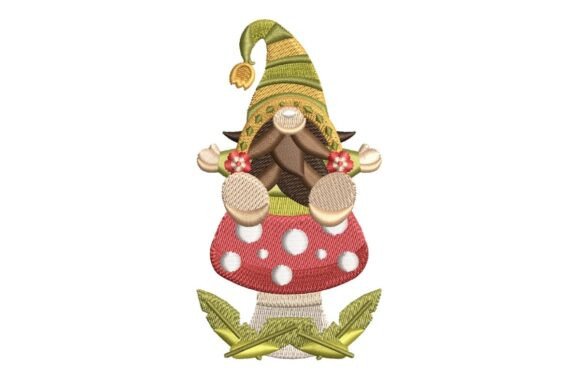
The first impression of Spring Gnome Embroidery is undeniably charming. It captures a specific woodland aesthetic that feels fresh rather than cliché. The layout suggests a whimsical character designed to sit comfortably on various surfaces, from the chest of a sweatshirt to the corner of a tea towel. Unlike many generic holiday files that feel rushed or overly cluttered, this design breathes. It creates a mood of warmth and seasonal renewal, making it an ideal candidate for garden-themed decor or personalized gifts. However, charm alone doesn't make a viable product for a boutique or Etsy seller. We need to look at how the stitches translate.
Real-Life Application: From Digital File to Finished Product
To truly evaluate this design, I ran a simulation based on a common scenario for handmade business owners. Imagine you are preparing a batch of custom embroidered tote bags for a local spring craft fair. You want something that screams "handmade" but also looks professional enough to justify a higher price point. This is where Spring Gnome Embroidery shines. The visual personality of the gnome fits perfectly with the rustic vibe of canvas totes. The design's balance between detail and simplicity ensures it remains legible even when stitched on a textured fabric like duck canvas.
I also considered its potential for baby clothes and nursery decor. There is a growing market for soft, whimsical items for infants, and this design offers the right level of cuteness without being overwhelming. If placed on a onesie or a small pillow cover, the design acts as a focal point that parents would genuinely appreciate. For commercial embroidery projects, such as creating patches or branding for a small shop, the outline and fill work appear robust enough to maintain their shape after multiple washes. It is the kind of asset that elevates a standard item into a memorable gift.
However, not every application is a perfect match. While the design works beautifully on stable fabrics, there are limitations to consider. If you are planning to use this on stretchy fabrics like jersey knit for t-shirts, you must be extremely careful with your stabilizer choices. Without proper backing, the density of the stitching might cause the fabric to pucker, ruining the clean lines of the gnome's hat or facial features. Similarly, trying to fit this design into a very small hoop size could result in lost details. The intricate elements might get compressed or merged together, turning a detailed character into a blurry blob.
Navigating Fabric and Surface Challenges
One of the most critical aspects of any machine embroidery design is how it interacts with different materials. Spring Gnome Embroidery appears to rely heavily on satin stitch for outlines and fill stitch for coloring. On dark fabric backgrounds, the thread colors need to be bright and opaque to stand out. If the contrast isn't high enough, the design will lose its impact. I strongly recommend testing thread color combinations before committing to a full production run. A light-colored gnome on a dark background requires more coverage than a dark gnome on white, which can affect the final texture and stiffness of the finished product.
Curved surfaces present another challenge. While this design is versatile, applying it to a cap or a rounded patch requires precision. The curvature of a baseball cap can distort the geometry of the embroidery, especially if the design has sharp angles or dense corners. For best results, I suggest using a curved hoop or a specialized cap frame to ensure the tension remains even across the entire design. If you are creating an embroidered patch, the edge finish will determine whether it looks like a mass-produced sticker or a high-quality applique. The design should allow for a clean border that prevents fraying over time.
Textured fabrics add yet another layer of complexity. If you are working with a heavy linen or a fuzzy fleece, the needle penetration depth must be adjusted accordingly. Dense stitch areas can sometimes struggle to penetrate thick materials, leading to skipped stitches or uneven coverage. This is why checking the stitch density is vital. If the design is too dense for the fabric weight, it will become stiff and uncomfortable to wear. Conversely, if it is too sparse, the underlying fabric might show through, detracting from the overall visual appeal.
Professional Notes for Designers and Sellers
For those of us running a craft business or selling digital products, the difference between a good design and a great one often comes down to preparation. Before you start stitching, always test the design on scrap fabric. This simple step can save you hours of frustration and prevent costly mistakes. Check the thread color contrast by viewing the design in black and white mockups; sometimes colors that look vibrant on screen appear dull in person due to lighting conditions.
Confirming the hoop size is non-negotiable. Ensure that the dimensions of Spring Gnome Embroidery fit within the capabilities of your machine and the space available on your product. If you are unsure about the file formats or compatibility with your specific embroidery machine, check the product details immediately. Do not assume that a design labeled for "home use" automatically includes rights for commercial sales. Licensing terms vary widely, and violating them can lead to legal issues for your small shop product line.
When presenting this design to customers, whether through printable mockups or physical samples, focus on the quality of the finish. A well-executed embroidery project builds trust and encourages repeat buyers. Customers can tell the difference between a sloppy stitch job and a professional finish. By paying attention to stabilizer selection, thread quality, and tension settings, you ensure that the Spring Gnome Embroidery design delivers on its promise of woodland magic. It transforms a simple piece of fabric into a keepsake that feels special and personal.
Ultimately, Spring Gnome Embroidery is a strong contender for anyone looking to add a touch of seasonal charm to their inventory. Whether you are an Etsy seller expanding your catalog, a designer working on custom apparel, or a hobbyist creating personalized gifts, this design offers versatility and visual appeal. Just remember that success lies in the details: the fabric choice, the stabilization, and the care taken during the stitching process. With the right approach, this design can become a staple in your collection of design assets, bringing joy to both the maker and the recipient.