Native Women Embroidery Design Review
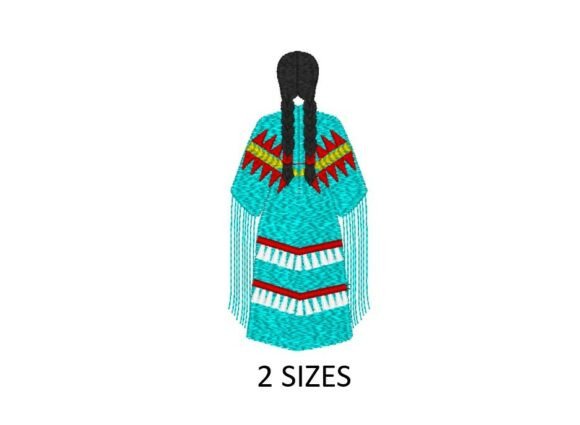
As an experienced embroidery designer preparing for a weekend craft fair, I recently evaluated the Native Women Embroidery Design and found it to be a compelling choice for a variety of handmade products. This design, available in multiple digital formats including EXP, HUS, JEF, PEC, PES, SEW, and XXX, along with an editable PXF file, offers versatility for both small and large-scale production.
First Impressions: A Bold Statement
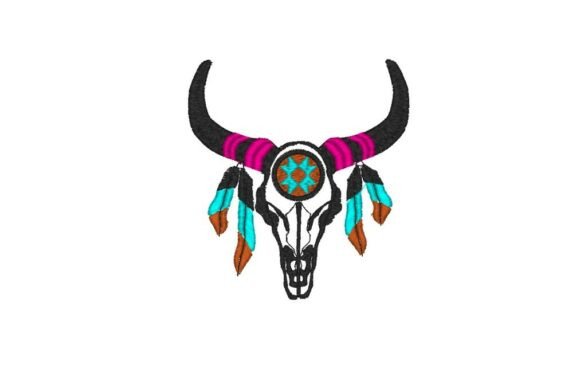
The Native Women Embroidery Design makes a strong first impression. It feels bold and elegant, with intricate details that speak to cultural significance and craftsmanship. The imagery is respectful and dignified, making it suitable for products that aim to honor heritage or serve as meaningful keepsakes. This design has the potential to stand out on display, especially when paired with high-quality fabric and thoughtful presentation.
Performance on Craft Fair Products
This design shines across a range of craft fair products. On tote bags, it adds a unique focal point that draws attention and elevates the product's value. When used on aprons, the Native Women Embroidery Design can become a statement piece, particularly if placed near the waistband or chest area. For tea towels, the design maintains its visual appeal without overwhelming the fabric.
On caps, the design works best when centered and given enough space to breathe. As an embroidered patch, it becomes a collectible item that customers may want to add to their own collections. Fabric pouches and pillow covers also benefit from this design, offering a subtle yet impactful decorative element.
For Etsy sellers and small shop owners, this design is ideal for creating handmade products that resonate with buyers looking for meaningful and culturally rich items. It pairs well with printable mockups and design assets to showcase the final finished product in online listings.
Practical Selling and Production Points
The Native Women Embroidery Design is easy to understand at a glance, which is crucial for craft fair product displays. It works well as a small accent or a large focal design, depending on the placement and size. Photographing this design for online listings is straightforward, as its bold elements translate well in images.
However, there are practical considerations to keep in mind. Dense stitch areas may require additional stabilizer to prevent puckering, especially on textured towels or thick fabrics. Tiny details and small lettering could lose clarity at smaller sizes, so it’s important to test the design on scrap fabric before full production.
Choosing the right hoop size and ensuring proper thread colors will enhance the final look. For dark fabrics, checking thread contrast is essential to maintain visibility. This design should be reviewed for stitch density and spacing to ensure it performs well on different materials.
Careful-Use Notes
When using the Native Women Embroidery Design, consider the following:
- Dense Stitch Areas: Use appropriate stabilizers to avoid fabric distortion.
- Tiny Details: Ensure they remain visible when scaled down.
- Thick Fabric: Test the design to confirm it handles well without puckering.
- Curved Cap Surfaces: Adjust the design layout to fit the cap's shape.
- Dark Fabric: Choose thread colors that provide good contrast.
- Small Sizes: Confirm the design remains clear and legible.
These considerations will help ensure the Native Women Embroidery Design looks its best on all handmade products.
Visual Appeal and Customer Engagement
The Native Women Embroidery Design significantly enhances the visual appeal of any product it adorns. Its presence adds a touch of elegance and cultural depth, which can attract customers looking for unique and meaningful items. This design also contributes to brand consistency, especially for small shop products or commercial embroidery lines.
At a craft fair booth, this design helps create a strong display by drawing attention and encouraging customer engagement. Buyers are more likely to pause and examine products that feature such a distinctive and respectful design.
Embroidery Designer Notes
To ensure the best results with the Native Women Embroidery Design, follow these steps:
- Test on Scrap Fabric: Always test the design on a sample before full production.
- Check Thread Contrast: Select threads that complement the fabric color.
- Review Spacing: Ensure the design elements are spaced correctly for clarity.
- Confirm Hoop Size: Use the correct hoop size for the design dimensions (1 2.5x5.4 in / 65x138mm).
- Inspect Stitch Density: Adjust stitch count as needed for different fabrics.
- Use the Right Stabilizer: Prevent puckering and ensure a clean finish.
- Create a Real Mockup: Showcasing a real finished product increases buyer confidence.
- Compare Fabric Colors: Ensure the design translates well on various fabric shades.
- Confirm Commercial Licensing: Verify that you have the rights to sell finished products.
These steps will help ensure the Native Women Embroidery Design achieves the highest quality when turned into craft fair products.
In conclusion, the Native Women Embroidery Design is a versatile and visually striking option for a wide range of handmade items. Whether you're an Etsy seller, boutique maker, or creative entrepreneur, this design can elevate your offerings and attract meaningful engagement at your next craft fair or market event.