Garden Hose Machine Embroidery Design Review
As an experienced embroidery designer who spends weekends setting up booths at local craft fairs, I know that the difference between a design that sits on a shelf and one that sells out in minutes often comes down to practical execution. When I first encountered the Garden Hose Machine Embroidery Design, my immediate thought wasn't just about how pretty it looked on a screen, but how it would translate into a tangible product for customers walking through the market gates. This review is based on the real-world scenario of preparing a display table filled with tote bags, aprons, tea towels, patches, caps, small pouches, and pillow covers.
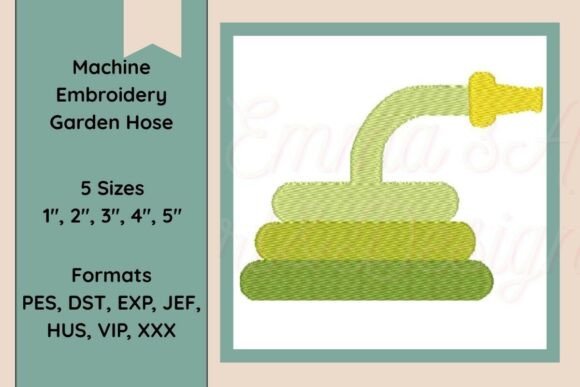
The description promises a "fresh touch of spring" with detailed and clean stitches, which suggests a design that balances charm with technical precision. For any Etsy seller or boutique maker looking to expand their inventory, understanding the visual weight and versatility of this piece is crucial. Let's dive into how this design performs when turned into actual handmade products.
First Impressions: The Visual Appeal of Spring
Based on the title and the promise of a fresh spring theme, the Garden Hose Machine Embroidery Design feels distinctly rustic yet modern. It strikes a balance that fits perfectly into the current farmhouse aesthetic that dominates the handmade market. Unlike overly intricate floral patterns that can get lost in fabric texture, a garden hose motif implies utility mixed with whimsy. It is bold enough to be seen from across a booth but delicate enough to feel like a thoughtful gift.
For a craft fair product, this design has strong potential because it tells a story. It speaks directly to gardeners, plant lovers, and anyone who appreciates the simple joys of spring. The clean stitch quality mentioned in the description is vital; if the lines are too cluttered, the image will blur on textured fabrics. However, if executed well, it offers a premium look that elevates a standard item into a specialty good.
Product Performance: Where Does It Shine?
When evaluating where this embroidery file stands out, we must consider the specific items typically sold by small shop owners. Here is how the design translates across various categories:
- Tote Bag Design: This is arguably the best use case. A large, clean garden hose graphic on a canvas tote bag creates an instant focal point. Customers love functional art, and a sturdy bag featuring this design appeals to those heading to the farmers market or gardening center.
- Apron Embroidery: For the home cook or gardener, an apron with this motif is both practical and decorative. The design works well as a chest pocket accent or a central panel, adding a splash of color without overwhelming the garment.
- Tea Towel Embroidery: Kitchen linens are high-margin items. A clean, detailed design on a linen or cotton tea towel photographs beautifully for online listings. It adds a seasonal touch that buyers associate with Easter or spring cleaning.
- Embroidered Patch: Converting this into a detachable patch allows for incredible versatility. Customers can attach it to denim jackets, backpacks, or hats, extending the life of the product and increasing its perceived value.
- Caps and Small Pouches: For smaller items, the design needs to be scaled carefully. On a cap, it serves as a charming side detail, while on a small pouch, it acts as a cute accent for holding sewing kits or makeup brushes.
Production Practicality and Batch Selling
One of the most critical factors for a commercial embroidery business is repeatability. Can you produce fifty of these items in a day without frustration? The description notes "clean stitch," which usually indicates a manageable density. If the design relies heavily on tiny fill stitches, it might require longer run times and more expensive thread usage. However, if it utilizes satin stitches for outlines and clean fills, it is highly efficient for batch production.
From a selling perspective, the design's clarity is key. At a busy craft fair, customers scan tables quickly. A design that is easy to understand at a glance captures attention faster than something abstract. Furthermore, for digital sellers creating printable mockups, a clean, high-contrast design ensures that the final image looks sharp on mobile devices, driving clicks for your Etsy listing.
Real-World Challenges and Careful Use Notes
While the concept is promising, every professional knows that success lies in the details. There are several areas where the Garden Hose Machine Embroidery Design requires careful consideration before hitting the production line.
Stitch Density and Tiny Details: If the design includes fine text or very small mechanical parts of the hose, these elements may disappear on thicker fabrics or textured towels. Always test the design on scrap fabric that matches your intended product material. Dense stitch areas can cause puckering, especially on lightweight tees or sheer fabrics, so adjusting the stabilizer is essential.
Fabric Texture and Color: The effectiveness of the design depends heavily on thread colors against the background. On dark fabric, light-colored threads might get lost unless a high-density underlay is used. Conversely, on white or pastel fabrics, the design should pop. Textured materials like waffle-weave towels can hide the definition of the stitches, so smooth cotton or linen is generally safer for maintaining clarity.
Hoop Size and Curved Surfaces: Embroidering on curved surfaces like caps requires a specific hoop size and technique. If the design is too large for the available hoop area on a cap, it will distort. Ensure the digitizing accounts for the curvature of the hat brim or crown to prevent the image from stretching unnaturally.
Designer's Checklist for Success
Before turning this digital embroidery file into a finished product for sale, follow these practical steps to ensure quality and consistency:
- Test on Scrap Fabric: Never start production without running a test on the exact fabric type you plan to sell.
- Check Thread Contrast: Evaluate how the chosen thread colors interact with the base fabric to ensure visibility.
- Review Spacing and Hoop Size: Confirm that the design fits within your machine's maximum hoop dimensions and leaves adequate border space.
- Inspect Stitch Density: Look for areas that are too packed, which can lead to needle breakage or fabric distortion.
- Use the Right Stabilizer: Match the stabilizer weight to the fabric weight to maintain structure during and after stitching.
- Create Real Mockups: Take photos of physical samples rather than relying solely on digital renders to see true depth and texture.
- Confirm Commercial Licensing: Verify the terms of use for the design assets to ensure you have the right to sell the finished goods.
Final Thoughts on Market Value
The Garden Hose Machine Embroidery Design has the potential to be a standout item in any handmade collection. It taps into the growing demand for seasonal, nature-inspired decor and accessories. By focusing on high-quality execution, proper fabric selection, and strategic product placement, you can transform this design into a profitable line of goods.
Whether you are a seasoned craft fair veteran or a new Etsy seller, paying attention to the nuances of stitch density and fabric texture will set your brand apart. When done correctly, this design doesn't just decorate a product; it adds a layer of personality that resonates with buyers looking for authentic, handcrafted items. With the right preparation, this spring-themed design can become a reliable best-seller in your booth or online store.