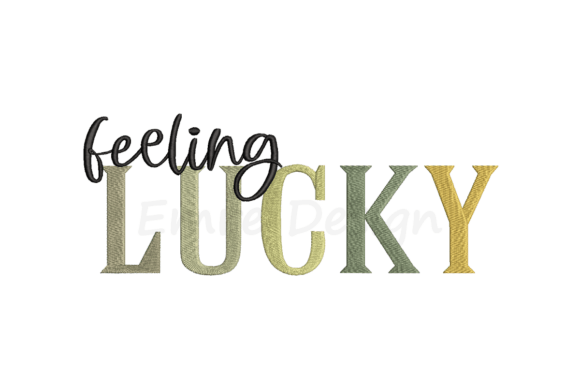
Feeling Lucky Embroidery Design Review
As an experienced embroidery designer who has spent years refining designs for commercial use, I approach every new file with a critical eye. When evaluating Feeling Lucky Embroidery Design, my primary focus is not just on aesthetics, but on how it functions within a small business ecosystem. This design promises a fun and whimsical touch, which immediately signals its potential for brands looking to add personality without sacrificing professionalism. Whether you are running a boutique, a creative studio, or a local bakery, the decision to use this machine embroidery design must be grounded in practical application.
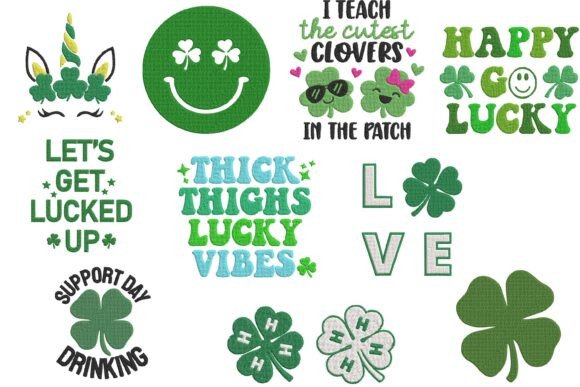
The first impression of Feeling Lucky Embroidery Design is one of playful charm. The title suggests luck and optimism, making it an excellent candidate for St Patrick S Day promotions or year-round branding that aims to feel friendly and approachable. For small business owners, this design strikes a balance between being decorative and functional. It does not scream "corporate," nor does it look like a amateur hobbyist project. Instead, it feels like a premium, handmade product designed to engage customers. The description highlights its versatility across t-shirts, towels, and home decor, which aligns perfectly with the needs of Etsy sellers and merch creators who need multi-purpose design assets.
Real-World Application for Small Business Merch
In the realm of custom apparel and branded merchandise, the utility of a digital embroidery file is paramount. Imagine a small café owner wanting to create a cohesive brand identity. They could utilize Feeling Lucky Embroidery Design as a chest logo accent on work shirts, creating a subtle yet memorable mark for staff uniforms. Alternatively, for a florist or a pet brand, this design could serve as a delightful addition to apron embroidery, signaling a welcoming atmosphere to every customer who walks through the door.
The potential extends beyond clothing. For tote bag design projects, this whimsical element adds a layer of value to what might otherwise be a generic promotional item. A local bookstore could stitch this onto canvas totes sold alongside books, turning a simple shopping bag into a conversation starter. Similarly, for event merch, such as a craft fair or a pop-up shop, having a consistent visual theme is crucial. Using Feeling Lucky Embroidery Design ensures that your booth stands out with a unified, professional look that resonates with your target audience.
When considering embroidered patches, this design offers significant flexibility. Patches are a staple for small business merch, often used to denote team roles or simply to decorate jackets and bags. If executed correctly, Feeling Lucky Embroidery Design can become a signature badge for your brand. However, the success of a patch depends heavily on the execution. It must hold up to wear and tear while maintaining its visual integrity. This is where the specific characteristics of the design come into play.
Navigating Technical Challenges and Fabric Textures
While the design is promising, there are areas where caution is required. As a designer, I always advise testing before production. One critical area to monitor is small patch sizes. If the design contains intricate details or tiny lettering, reducing it too much can lead to a loss of definition. The thread colors must be chosen carefully to ensure they stand out against the fabric texture. Dark uniforms require high contrast, so selecting the right thread palette is essential for visibility.
Curved surfaces, such as cap fronts, present another challenge. Embroidering on a curved surface requires precise hoop size management and stabilizer selection to prevent puckering. If the stitch density is too high, the fabric may pucker around the curves of the cap, distorting the whimsical nature of the design. Furthermore, items that need frequent washing, like aprons or work shirts, demand durable construction. You must verify that the design files are optimized for durability to prevent thread breakage or fading after multiple wash cycles.
Textured fabrics, such as heavy cotton or wool blends, can also affect the final look. The design might sink into the fibers if not properly supported. Therefore, using the correct stabilizer is non-negotiable. Without adequate backing, the embroidered patch or logo may lose its crisp edges, diminishing the professional appearance of your finished product.
Building Brand Identity and Customer Trust
Every stitch tells a story about your brand. High-quality embroidery elevates the perceived value of your products. When a customer sees a well-executed Feeling Lucky Embroidery Design on a tote bag or a branded product label, it signals attention to detail and care. This visual consistency builds customer trust and recognition over time. In a crowded market like Etsy, where handmade products compete for attention, a polished, professional finish can be the deciding factor in a purchase.
The design's whimsical nature fosters a sense of connection. It invites engagement and makes your brand feel human and relatable. For businesses aiming to cultivate a loyal community, this emotional connection is invaluable. By integrating this design into your marketing materials, such as printable mockups, you can showcase how your brand comes to life in three dimensions. This helps clients visualize the final result and increases confidence in ordering custom apparel.
Essential Designer Notes for Production
Before committing to a large run, there are several practical steps every embroidery designer should take. First, test the design in black and white. This removes the distraction of color and allows you to evaluate the composition and spacing objectively. Ensure that the negative space works well and that the elements do not crowd each other.
Next, check if the design works at your intended small patch size. Zoom in on the digital embroidery file to inspect the stitching paths. Look for any potential issues with dense areas that might cause needle deflection or thread breaks. Review the thread color contrast against your most common fabric choices. A design that looks great on white might disappear on a dark navy shirt if the wrong thread is selected.
Confirm the hoop size requirements for your specific machine. Some designs may require larger hoops than anticipated, limiting where they can be placed on a garment. Test on real fabric samples rather than relying solely on screen views. Fabric behaves differently than paper, and the way the needle penetrates the material can alter the final outcome. Always use proper stabilizer to support the fabric during the stitching process.
Create a mockup for client approval before starting mass production. This step allows stakeholders to see the design in context and request adjustments if necessary. Compare it beside other design assets to ensure it fits within your overall brand guidelines. Finally, confirm commercial licensing before business use. Even if the design appears free or inexpensive, ensure you have the legal right to use it for commercial merchandise, especially if you plan to sell items featuring the Feeling Lucky Embroidery Design.
If specific technical details like exact stitch count, file format, or license terms are not clearly included in the product description, you must reach out to the creator or check the documentation thoroughly. Never assume compatibility. Taking these precautions ensures that your investment in commercial embroidery pays off with high-quality, durable, and visually stunning results that enhance your small business profile.
Ultimately, Feeling Lucky Embroidery Design offers a versatile and charming option for those looking to elevate their brand presence. From apron embroidery to cap embroidery, its potential is vast. By approaching it with a strategic mindset and adhering to best practices in the industry, you can transform a simple digital file into a powerful tool for brand growth and customer engagement.