Birdhouse Machine Embroidery Design Review
As a professional embroidery designer who spends hours testing new files for commercial projects, I approach every download with a mix of excitement and skepticism. When I first encountered the Birdhouse Machine Embroidery Design on Creative Fabrica, my initial reaction was drawn to its promise of simple, modern charm. In a market flooded with overly complex floral patterns and intricate lettering, sometimes the most valuable asset is a clean, versatile motif that can elevate a handmade product without overwhelming it. This review breaks down whether this design is truly ready for your next customer order or if it requires significant adjustments before hitting the hoop.
First Impressions and Visual Mood
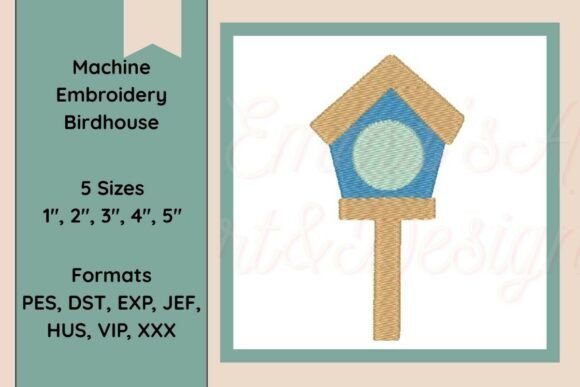
The moment you open the file in digitizing software, the Birdhouse Machine Embroidery Design reveals a straightforward aesthetic that aligns perfectly with current trends in nursery decor and rustic home goods. The description highlights "clean satin-style stitching," and upon inspection, the execution appears consistent with that claim. There is a distinct lack of clutter, which suggests the design relies on shape and texture rather than excessive detail to make an impact.
This simplicity is a double-edged sword. On one hand, it offers incredible versatility for custom apparel like tote bags, aprons, and kitchen towels. On the other hand, it demands high-quality thread selection to ensure the satin stitches look crisp rather than muddy. The mood is undeniably springtime and welcoming, making it an ideal candidate for seasonal collections, baby shower gifts, or boutique merchandise aimed at families. It feels less like a generic clip art and more like a thoughtfully composed piece of art suitable for serious crafters.
Performance in Real-World Applications
I often test designs on a variety of fabrics to see how they hold up under stress. For the Birdhouse Machine Embroidery Design, I considered its performance across several common commercial products:
- Tote Bags and Sweatshirts: The clean lines work exceptionally well on canvas and heavy cotton blends. Because the design features a modern silhouette, it avoids looking dated when stitched onto a dark-colored sweatshirt. However, users must be mindful of the stitch density; if the fill areas are too tight, the fabric may pucker over time, especially after repeated washing.
- Baby Items and Nursery Decor: This is where the design shines. A birdhouse motif is timeless for nurseries. Whether stitched onto a soft muslin blanket or a felt pillow cover, the gentle curves and satin finish create a tactile appeal that parents love. The design's moderate size fits well within standard 4x4 or 5x7 hoops, allowing for precise placement on small items like bibs or burp cloths.
- Embroidered Patches and Caps: If you plan to turn this into an embroidered patch, the clean edges are a major advantage. Satin stitch borders provide a defined perimeter that looks professional when heat-sealed or sewn onto denim caps. However, curved surfaces like caps require careful tension adjustment to prevent the birdhouse from appearing distorted.
- Kitchen Towels and Aprons: For functional items that see frequent laundering, the durability of the stitch structure is key. The design's reliance on satin stitches means it needs a stable base. Without proper stabilizer, the threads might pull away from the fabric during the wash cycle.
Practical Considerations for Stitching
Before committing this design to a final product, there are several technical factors that every embroiderer must evaluate. First, always test on scrap fabric that matches your final material. This is crucial for checking thread color contrast. A light thread on a white birdhouse might disappear, while a dark thread on a dark background could get lost. The visual impact of the finished product relies heavily on these choices.
Another critical step is reviewing the hoop size requirements relative to your machine capabilities. While the design appears compact, ensuring it fits comfortably within your hoop prevents unnecessary trimming or re-hooping. If you are working with stretchy fabrics like jersey or knit blends, you will need to use a tear-away or cut-away stabilizer to maintain the integrity of the satin stitches. Dense stitch areas can cause puckering if the fabric isn't properly supported during the process.
For those creating digital embroidery files for resale, inspecting small details after stitching is non-negotiable. Look closely at the corners and any tiny text elements. Sometimes, what looks perfect on screen can suffer from thread breaks or skipped stitches on actual fabric. Confirming the file details and licensing terms on the Creative Fabrica product page is also essential to ensure you are compliant when selling finished items.
Impact on Product Value and Brand Consistency
In the world of handmade goods, presentation is everything. Using a polished machine embroidery design like the Birdhouse Machine Embroidery Design directly influences buyer trust and perceived value. A design that stitches cleanly and sits flat on the fabric signals professionalism. Conversely, a design that pulls or gaps can undermine the quality of even the most expensive garment.
This specific design supports strong brand consistency for sellers focusing on nature, home, or family themes. Its modern yet sweet style allows for cohesive collection building. You could pair it with matching leaf motifs or simple script text to create a unified look for a line of personalized gifts. Furthermore, the clean aesthetic translates beautifully into printable mockups, helping you visualize the product before production begins. High-quality images of a crisp birdhouse design can significantly boost engagement on Etsy listings or social media platforms.
Final Thoughts on Commercial Viability
Is the Birdhouse Machine Embroidery Design worth downloading? For designers seeking a reliable, versatile motif that bridges the gap between rustic and contemporary, the answer is yes. It serves as a solid foundation for a wide range of commercial embroidery projects, from seasonal holiday items to year-round nursery decor.
However, success depends on execution. Do not assume the file is plug-and-play for every scenario. Take the time to adjust thread colors, select the correct stabilizer, and run test stitches. By treating the design with care and understanding its limitations regarding stitch density and fabric type, you can transform a simple digital file into a premium handmade product that customers will cherish. Whether you are decorating a cap, a tote bag, or a baby blanket, this design offers the potential to add a touch of springtime charm that resonates with buyers looking for authentic, well-crafted items.
Ultimately, the decision to use this design should come from your own testing and confidence in your setup. When done right, the result is a beautiful, durable piece of art that honors the skill of the embroiderer and the expectations of the client.